![Official Logo of www.vedm.store [Inspired by the Vedas, rooted in Sanatani culture – premium apparel proudly Made in Bharat: T-Shirts, Oversized, T-Shirts, Hoodies, Sweatshirt, Polo T-Shirts, Caps]](https://www.vedm.store/wp-content/uploads/2025/09/www.vedm_.store_.png)
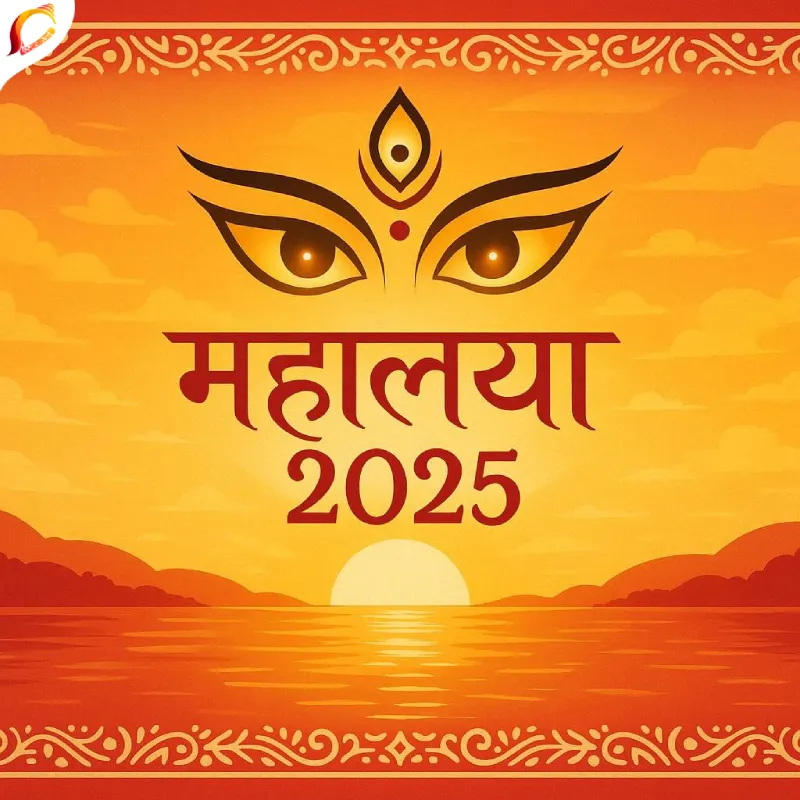
Every Bengali knows the magic of waking up before dawn on Mahalaya morning, switching on the radio, and hearing Birendra Krishna Bhadra’s timeless Mahishasura Mardini. The chant still gives goosebumps, signaling that Durga Puja is almost here. But Mahalaya is more than just a curtain-raiser—it is a spiritual day rooted in tradition, mythology, and cultural pride.
In this guide, we’ll explore Mahalaya 2025 date, significance, rituals, and celebrations—everything you need to understand and experience this sacred festival.
What is Mahalaya Festival?
At its heart, Mahalaya is the end of Pitru Paksha Amavasya (fortnight dedicated to ancestors) and the beginning of Devi Paksha, when Goddess Durga’s energy is believed to descend to Earth.
Etymology & Meaning
The word Mahalaya combines “Maha” (great) and “Alaya” (abode). It symbolizes the arrival of the divine into human homes, marking a new spiritual beginning.
Historical Roots
- Vedic Tradition: Ancestor worship during Pitru Paksha is thousands of years old.
- Bengali Renaissance Era: In 1931, All India Radio began broadcasting Mahishasura Mardini on Mahalaya morning, making it a cultural ritual.
- Durga Puja Link: Mythologically, this is when the gods prayed to Goddess Durga to descend and defeat Mahishasura.
Mahalaya 2025 Date and Timings
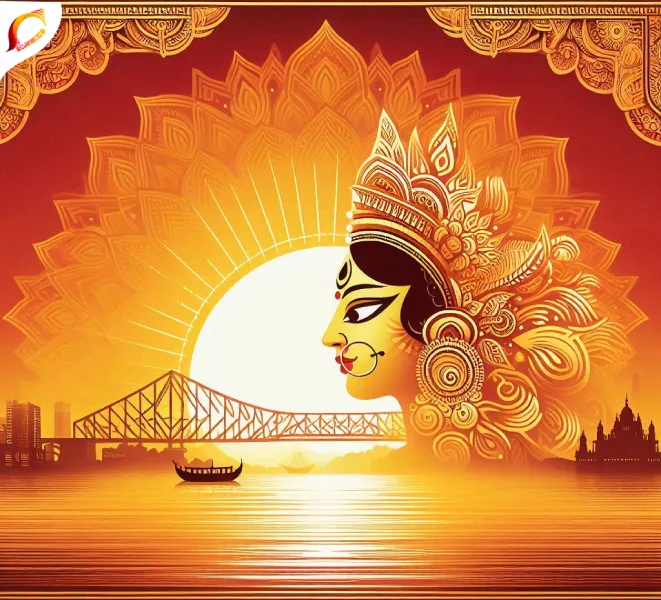
In 2025, Mahalaya will be observed on 21 September, Sunday.
Key Timings:
- Amavasya Tithi Begins: Sunday 12.25 a.m. (night).
- Amavasya Tithi Ends: Monday 10.11 a.m. (morning)
- Tarpan Rituals: Conducted at sunrise along riverbanks or water bodies.
Tip: Even if you’re outside Bengal, you can perform a simple prayer at home by lighting a diya, offering water, and reciting mantras in memory of your ancestors.
Mahalaya Rituals and Traditions
Mahalaya is not just observed—it is experienced.
Morning Rituals
- Sacred Bath: Devotees take a holy dip before sunrise.
- Tarpan: Offerings of water, sesame seeds, and prayers are made to ancestors.
Cultural Rituals
- Mahishasura Mardini Broadcast: The iconic radio program, a blend of Sanskrit shlokas and narration, has been a tradition for over 90 years.
- Durga Idol Making: In Kolkata’s Kumartuli, artisans perform “Chokkhu Daan,” painting the Goddess’s eyes for the first time on Mahalaya.
Family Traditions
- Early morning gatherings at the ghats.
- Listening to the radio recital with grandparents.
- Sharing nostalgic memories of Durga Puja beginnings.
Mahalaya in West Bengal Culture
For Bengalis, Mahalaya is not just another festival—it is the soul of Durga Puja.
Cultural Impact
- Streets come alive with festive lights.
- Shops start selling puja outfits.
- Kolkata’s Kumartuli sees the busiest rush.
Community Celebrations
- Radio plays across tea stalls and buses.
- Local clubs arrange Mahalaya programs.
- Schools and colleges organize cultural evenings.
Regional Variations
- In Assam and Tripura, Mahalaya is celebrated with equal devotion.
- Among the diaspora (UK, USA, Canada), community centers host Mahalaya prayers.
Significance of Mahalaya
Mahalaya carries multiple layers of meaning—religious, cultural, and emotional.
1. Connection to Durga Puja
Mahalaya is the official countdown to Durga Puja. It marks the shift from mourning ancestors to welcoming the Goddess.
2. Beginning of Devi Paksha
Hindus believe this is the dawn when Devi Durga begins her journey from Mount Kailash to her parental home on Earth, accompanied by her children—Lakshmi, Saraswati, Kartik, and Ganesha.
3. Mythological Stories
- Mahishasura Mardini: Gods, tormented by the demon Mahishasura, combined their energies to create Goddess Durga. Mahalaya is the day they invoked her power.
- Pitru Paksha Closure: It’s believed that offering prayers on this day ensures ancestors bless the family with prosperity and happiness.
Conclusion
Mahalaya is not just about rituals—it’s about connection. Connection with ancestors, with tradition, with community, and most importantly, with the divine.
As you wake up on Mahalaya 2025, pause for a moment. Listen to the chants, remember your forefathers, and feel the joy of Durga’s arrival. This day reminds us that while time moves on, traditions keep us rooted.
So, celebrate with devotion, share the stories with the younger generation, and prepare for the grandeur of Durga Puja 2025.
Frequently Asked Questions
When is Mahalaya in 2025?
Mahalaya falls on September 21st, 2025 (Sunday). The celebration happens early in the morning, usually starting around 4:00 a.m. during Amavasya Tithi
What’s the difference between Mahalaya and Durga Puja?
Think of Mahalaya as the “trailer” and Durga Puja as the “full movie.” Mahalaya is one day of preparation and invocation, while Durga Puja is a 4-5 day festival with big celebrations, pandals, and community events.
Why is Mahalaya important?
It marks the descent of Goddess Durga and the closure of ancestor rituals.
What rituals are performed on Mahalaya?
Morning tarpan, listening to Mahishasura Mardini, Chokkhu Daan, and prayers.
How is Mahalaya different from Durga Puja?
Mahalaya is the spiritual beginning, while Durga Puja is the main worship festival.
What Happens After Mahalaya?
After Mahalaya, the countdown to Durga Puja officially begins! Here’s what typically follows:
Week 1: Final preparations for pandals (temporary structures where Durga idols are placed) Week 2: Goddess Durga “arrives” on Shashti (6th day) Next 4 days: Grand celebrations with music, dance, food, and community gatherings Final day: Emotional farewell as the goddess “returns” to her heavenly home